
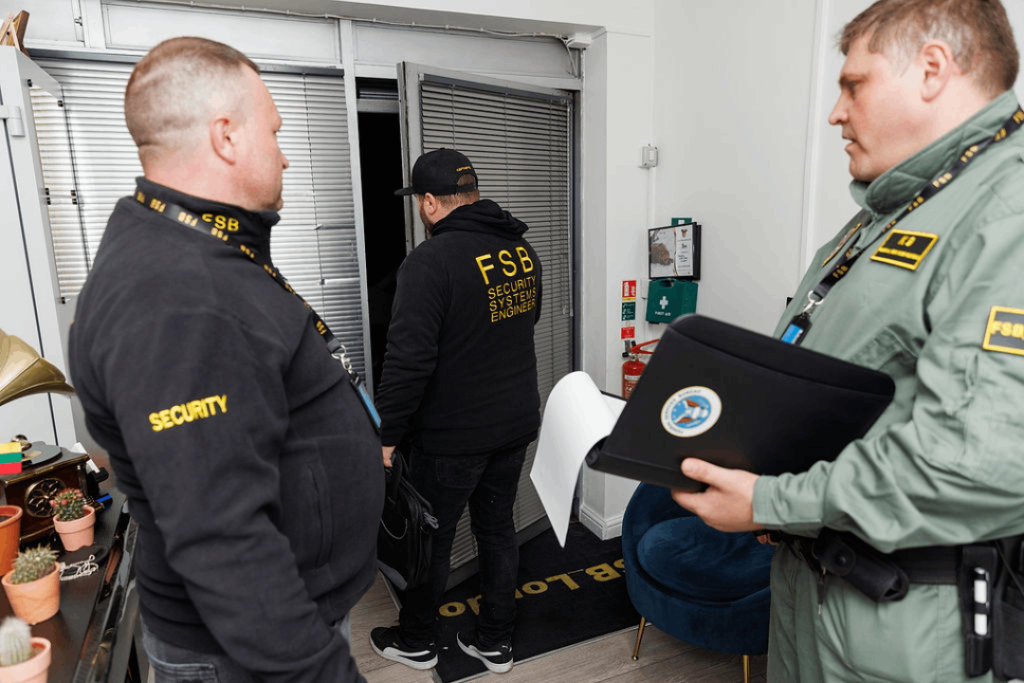
Professional Security Consultancy gives organisations the knowledge required to make informed decisions about their protection. Supported by experienced FSB_London Security Systems Engineers, the consultancy process connects risk assessment with practical technical solutions that are appropriate for the site.
This combination of strategic guidance and technical expertise helps London organisations avoid unsuitable equipment, overlooked vulnerabilities and security measures that fail to work together as a complete system.
Why London Organisations Need Professional Security Consultancy
London presents a complex security environment. Commercial properties, residential developments, offices, retail premises, construction sites and public venues each face different risks. Even two properties operating within the same sector may require completely different security strategies because of their location, layout, operating hours and patterns of access.
A standard package cannot account for every entrance, vulnerable area, operational procedure or security concern. Professional Security Consultancy begins by examining the actual environment and determining what needs to be protected.
A security consultant may consider:
- The location and surrounding environment
- Entrances, exits and other access points
- How employees, visitors and contractors move through the property
- Existing security systems and their limitations
- Areas with limited visibility or natural surveillance
- Opening hours and periods when the property is unoccupied
- Past incidents and identified concerns
- Emergency procedures and reporting responsibilities
- Future operational or property changes
This assessment creates the foundation for a security strategy based on real requirements. It allows recommendations to be prioritised according to risk, practicality and the organisation’s objectives.
What Is Included in Security Consultancy?
Security Consultancy is a structured process that helps an organisation understand its exposure and determine the most appropriate response. It may involve reviewing existing measures, identifying gaps and developing recommendations for physical, operational and technical improvements.
The purpose is to create a coordinated security approach. Cameras, alarms, access control systems and security personnel are most effective when they support one another and follow a clear operating procedure.
Depending on the property and its requirements, Security Consultancy may cover:
- Site security assessments
- Identification of physical and operational vulnerabilities
- Reviews of existing security systems
- Access control and visitor management considerations
- CCTV positioning and coverage planning
- Alarm and incident response procedures
- Security personnel requirements
- Reporting and escalation processes
- Recommendations for system upgrades or integration
- Planning for changing risks and future requirements
The result should be a practical plan that the organisation can understand and implement. Recommendations must reflect the way the property actually operates, rather than relying on assumptions or generic specifications.
The Role of FSB_London Security Systems Engineers
Security Systems Engineers bring technical knowledge into the consultancy process. Their role is to understand how different systems can be designed, positioned and configured to support the wider security strategy.
A recommendation may appear effective in theory but prove difficult to implement because of the property’s layout, infrastructure or daily operations. Technical involvement helps ensure that proposed measures are realistic and suitable for the environment.
FSB_London Security Systems Engineers can examine how individual components should work together, including CCTV coverage, access control, alarms and supporting infrastructure. Their input helps translate security objectives into a functional technical solution.
This may include considering:
- Camera placement and the areas that require coverage
- Lighting, visibility and potential obstructions
- The positioning of sensors and detection equipment
- Controlled entrances and authorised access
- How alerts are received and escalated
- Integration between different security systems
- Equipment accessibility for inspection and maintenance
- Operational requirements during and outside working hours
- Potential requirements for future expansion
Technical expertise is particularly valuable when an organisation already has security equipment but remains uncertain about its coverage or effectiveness. Existing systems may contain useful components while still leaving important gaps. A professional review can help determine which elements remain suitable and where improvements should be considered.
Connecting Technology with a Wider Security Strategy
Security technology provides valuable tools, but equipment alone does not create a complete security strategy. A camera can record an incident, an alarm can generate an alert and an access control system can restrict entry. Each system still requires appropriate placement, configuration and operating procedures.
Security Consultancy connects these technical measures with the people responsible for monitoring, reporting and responding. This creates a clearer process from initial detection to the final resolution of an incident.
An effective strategy should answer practical questions:
- What activity should trigger an alert?
- Who receives the alert?
- How is the incident verified?
- Who has authority to respond or escalate?
- How is information recorded and retained?
- What happens if the primary system or contact is unavailable?
Addressing these questions during the planning stage helps reduce uncertainty when an incident occurs. It also ensures that the technology supports a defined response rather than operating as a collection of disconnected devices.
Security Consultancy for Different London Properties
The right security approach depends on the type of property, its users and the activity taking place within it. FSB_London provides Security Consultancy for organisations seeking practical guidance shaped around their environment.
Corporate Offices
Corporate premises may require controlled access, visitor procedures, CCTV coverage and clear responses to alarms or unauthorised entry. The security plan must protect employees and assets without unnecessarily disrupting normal business activity.
Retail and Commercial Premises
Retail environments often combine public access with restricted staff, storage and operational areas. Security planning may need to consider customer movement, opening hours, deliveries, loss prevention and incidents involving employees or members of the public.
Residential Developments
Residential properties require a balance between effective protection and convenient access for residents, visitors and authorised contractors. Communal entrances, parking areas and shared facilities may all require consideration.
Construction Sites
Construction sites change as work progresses. Access points, stored materials, equipment and site boundaries may move throughout the project. The security strategy must be reviewed as the physical environment develops.
Vacant Properties
Vacant properties can face risks including unauthorised access, vandalism, theft and damage that remains undiscovered. Security Consultancy can help establish suitable monitoring, inspection and response arrangements based on the property’s condition and location.
Venues and Public-Facing Locations
Venues may need to manage large numbers of people, temporary access arrangements and changing operational requirements. Planning should consider entry, movement, restricted areas, emergency procedures and communication between responsible personnel.
The Security Consultancy Process
A clear consultancy process helps ensure that recommendations remain connected to the organisation’s objectives. Although every assignment is different, the process will usually follow several key stages.
1. Understanding the Requirement
The first stage is to understand the property, its use and the concerns that led to the consultation. This may include discussing existing arrangements, known incidents, planned changes and the organisation’s priorities.
2. Assessing the Environment
The site is examined to identify access points, vulnerable areas, operational patterns and limitations within existing security measures. The assessment provides context that cannot be gained from equipment specifications alone.
3. Identifying and Prioritising Risks
Not every issue presents the same level of concern. Risks should be considered according to their likelihood, possible impact and the organisation’s ability to respond. This helps focus attention on the areas that require the most immediate action.
4. Developing Practical Recommendations
Recommendations may involve changes to procedures, physical security, electronic systems or personnel. Each recommendation should have a clear purpose and should reflect the property’s operational and technical requirements.
5. Supporting Implementation
Security Systems Engineers can provide technical input during system design and installation. This helps ensure that the agreed strategy is translated into an effective working solution.
6. Reviewing the Security Approach
Security requirements can change as an organisation grows, alters its working practices or modifies its property. Periodic reviews help confirm that existing measures remain appropriate and continue to support the organisation’s needs.
Why Professional Assessment Matters Before Installation
Installing equipment without a proper assessment can create unnecessary cost and a false sense of security. A system may appear comprehensive while leaving entrances, routes or important areas inadequately protected.
Professional assessment helps an organisation understand why each measure is being recommended. This makes it easier to prioritise improvements and evaluate whether the proposed investment addresses a genuine requirement.
Assessment before installation can help prevent:
- Cameras being positioned where they provide limited useful coverage
- Access controls that conflict with daily operations
- Alarm notifications reaching the wrong contact
- Separate systems operating without a coordinated response
- Equipment being selected without considering future requirements
- Important procedures remaining undocumented or unclear
Security Consultancy provides a reasoned path from risk to recommendation. The technical solution can then be designed around the strategy, rather than allowing the available equipment to dictate the strategy.
Technology, Transparency and Ongoing Security Management
A professional security strategy should remain understandable to the organisation responsible for it. Clear reporting, documented recommendations and defined responsibilities help decision-makers understand what has been identified and what action is required.
Transparency is also important after systems are installed. Organisations should know how alerts are handled, who is responsible for reviewing incidents and when equipment or procedures require further attention.
Security Systems Engineers support this process by providing technical knowledge about system performance, limitations and maintenance requirements. Security consultants can then consider that information alongside wider operational risks.
This ongoing relationship between assessment, technology and review helps organisations maintain a security approach that remains relevant. It also provides a clearer basis for future upgrades, changes in site use or the introduction of additional protective measures.
Why Organisations Choose FSB_London
FSB_London combines professional Security Consultancy with practical technical knowledge. Our approach considers the complete environment, including the property, its users, existing systems and the procedures that support them.
Our Security Systems Engineers contribute technical insight that helps ensure recommendations can be implemented effectively. This connection between consultancy and engineering supports clearer planning and more appropriate security decisions.
Clients choose FSB_London for:
- Security recommendations based on the specific property
- Practical guidance supported by technical expertise
- A clear focus on identified risks and operational requirements
- Support for existing systems as well as new security projects
- Professional service for organisations across London
- Solutions designed to work as part of a coordinated strategy
Our objective is to help organisations understand their security requirements and take practical action. Every recommendation should contribute to a clearer, stronger and more manageable approach to protection.
Frequently Asked Questions About Security Consultancy
What does a security consultant assess?
A security consultant assesses the property, access points, existing measures, operational procedures and identified concerns. The purpose is to understand where vulnerabilities may exist and recommend practical ways to reduce them.
Can FSB_London review an existing security system?
Yes. Existing equipment and procedures can be reviewed to determine how well they support the property’s current requirements. The review may identify useful existing components, gaps in coverage or areas where improvements should be considered.
Why are Security Systems Engineers involved?
Security Systems Engineers provide the technical knowledge required to evaluate system design, equipment positioning, integration and practical installation requirements. Their involvement helps ensure that consultancy recommendations can be translated into an effective technical solution.
Is Security Consultancy only required for large organisations?
No. Properties of different sizes can benefit from professional guidance. Smaller businesses may have fewer access points or systems, but they can still face significant operational, financial and safety risks.
How often should a security strategy be reviewed?
A review should be considered when the property, operating procedures, occupancy or identified risks change. Regular reviews can also help confirm that existing measures remain appropriate and continue to function as intended.
Does Security Consultancy always lead to new equipment?
No. The process may identify procedural improvements, changes to existing equipment or better use of current resources. Recommendations should respond to the identified risks rather than assume that every property requires a completely new system.
Professional Security Consultancy in London
Effective protection begins with knowledge. A professional assessment helps organisations understand their vulnerabilities, prioritise improvements and make informed decisions about their security.
With support from FSB_London Security Systems Engineers, strategic recommendations can be connected to practical technical solutions. This creates a stronger relationship between the risks identified, the technology selected and the procedures used to manage incidents.
Whether you are reviewing an existing security arrangement, planning a new system or responding to changing risks, FSB_London can provide professional Security Consultancy shaped around your property and operations.
Contact FSB_London to discuss your security requirements.
Enquiries:
info@fsb.london |
+44 0203 713 5893 |
Contact FSB_London